The fastest route to reinstatement on bol.com
To restore a blocked listing on bol.com, first identify which Extended Producer Responsibility (EPR, in Dutch UPV) category the block concerns, then take one of the two routes bol names: register with the responsible management organisation (beheersmaatschappij), or apply for sales rights (verkooprechten) in the partner platform[1]. Sales rights exist for seven categories: batteries for selling in the Netherlands, and six categories for selling in Belgium, so a block on Dutch sales concerns batteries[1]. Batteries and electrical equipment run through Stichting OPEN; packaging runs through Verpact, whose collective agreement has been declared generally binding, so registration is compulsory[2], even though packaging is not a sales-rights category and bol can only ask you to show how you comply. Bol also states that partners who are obliged to pay UPV and do pay it are approved automatically for the relevant categories, so once your registration is on file the assortment can go live again[1].
Restoring a listing follows three direct actions:
- Check the bol.com notification to see whether the block relates to packaging, electronics, or both.
- Complete an accession agreement with Stichting OPEN for batteries and electrical equipment, or complete your Verpact registration for packaging.
- Request sales rights in the bol.com partner platform, or submit the proof bol asks for your role, to have the assortment reviewed and reinstated.
When selling across borders, note that Germany runs its own registers, LUCID for packaging and stiftung ear for electrical equipment and batteries, and since 12 August 2026 a producer without a German establishment needs an authorised representative there. Other Dutch collective schemes exist for separate streams, such as textiles via a recognised textile producer organisation. For an immediate overview of your obligations, start the Digital needs analysis.
Why your listing was blocked: platform verification
Online platforms are legally obligated to prevent non-compliant sellers from offering goods in the Netherlands and Belgium: bol states that if a partner does not meet the applicable UPV rules, it is legally required to take the affected assortment offline[1]. Under Dutch environmental legislation, any business that acts as the first commercial supplier of a product in the Netherlands bears producer responsibility for the end-of-life management of that product and its packaging[4].
Because bol has to check contributions for only some UPV streams, sales rights can be requested exclusively for the categories it lists, and that list may be extended later[1]. Bol states that it is legally obliged to refuse partners who fall under the UPV rules and pay no contribution: in the Netherlands that duty applies to batteries, with other product categories expected to follow, while in Belgium it applies to all categories[3]. If the platform cannot match your account to a registration or granted sales right, the affected catalogue items are taken offline. The table below shows the three streams most Dutch sellers run into through marketplace verification.
| EPR stream | Responsible Dutch organisation | What puts you in scope, and what bol checks |
|---|---|---|
| Batteries (Batterijen), loose or built into a device | Stichting OPEN | The party that first places the battery on the Dutch market; the only category with sales rights for Dutch sales on bol.com |
| Electrical and electronic equipment (AEEA / WEEE) | Stichting OPEN | Producer or importer of the equipment; sales rights apply to Belgian sales, and bol can ask for proof for Dutch sales |
| Packaging (Verpakkingen) | Verpact | Anyone who professionally offers packaged products on the Dutch market for the first time, online selling included; no sales-rights category, but bol can ask you to show how you comply |
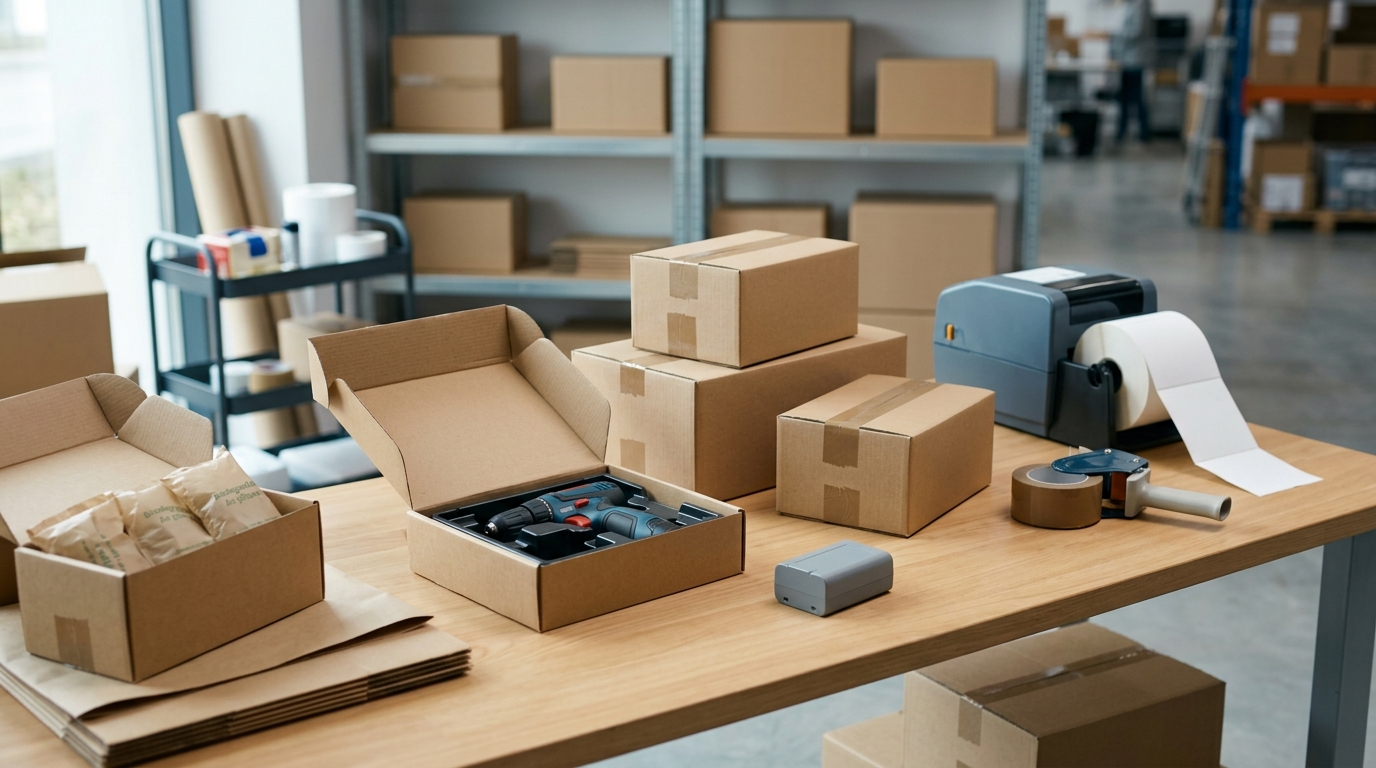
If your business sources products from a Dutch supplier who already carries the EPR obligations, bol asks you for a purchase invoice instead of a registration, so keep that chain of supply documented. For the shipping box, tape and filler you add yourself you remain the producer towards Verpact, as explained in our article on shipping packaging. If you import goods from abroad or manufacture under your own brand, you are the producer and must register directly.
Reading the notification and navigating edge cases
Resolving a block starts with reading the platform notification accurately: which EANs it covers, which country it concerns (bol sells in the Netherlands and Belgium, and the sales-rights categories differ per country) and which category is missing. Distinguishing between packaging duties and product-specific duties is essential to avoid submitting the wrong evidence.
Several edge cases commonly delay the verification process:
- Pending registrations: a scheme needs time to process an accession agreement, and an application receipt is not a membership confirmation. Wait for the confirmation before you submit.
- Mismatched company details: the legal name and Chamber of Commerce (KVK) number on your scheme confirmation should match your bol.com seller account. A trade name on one side and a legal entity on the other is a common reason for a rejected check.
- Buying from a registered supplier: if you are not UPV-obligated yourself, bol asks for a purchase invoice per product category for one of the items you want to sell[1]. A general statement from your supplier is not that document.
Addressing these discrepancies before submitting documents gives your file the best chance of passing the review at the first attempt.
Your step-by-step recovery checklist
To reactivate your listings without unnecessary delays, follow this structured checklist from initial registration through to final platform validation.
- Determine your producer status: confirm whether your company manufactures the goods, imports them into the Netherlands, or sources them from a registered domestic distributor. Bol defines the producer as the party that places an article on the Dutch or Belgian market for the first time, which can be you as the selling partner[3].
- Join the required management organisation: you become a member by signing an accession agreement (toetredingsovereenkomst) with a management organisation bol recognises for your stream[3]; in the Netherlands that is Stichting OPEN for batteries and electrical equipment and Verpact for packaging.
- Obtain official registration proof: download the signed accession agreement or participant certificate confirming your active registration status.
- Submit your registration or request sales rights in the partner portal: partners that are not obliged to pay UPV supply a purchase invoice per product category, and partners paying individually supply proof of their individual contribution[1].
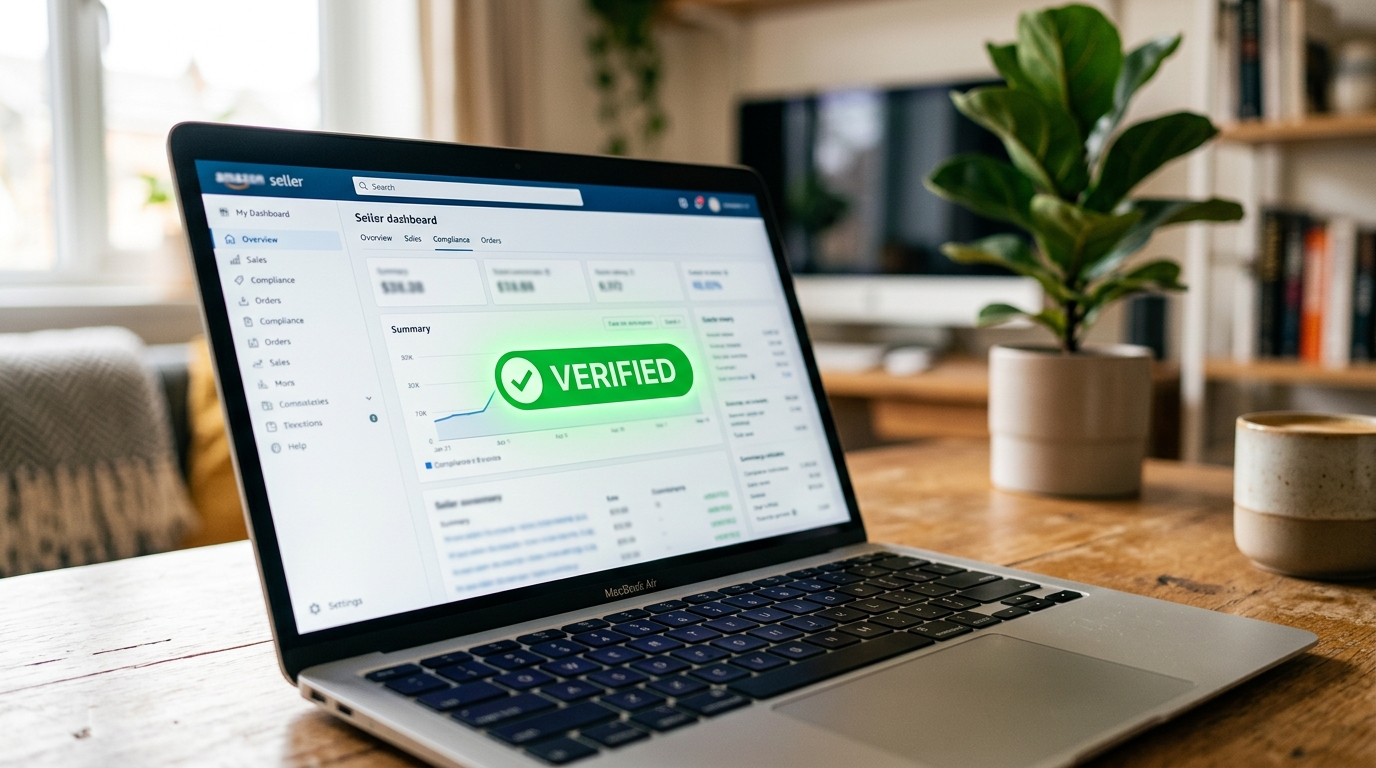
- Monitor reactivation: track the review status in your seller dashboard. If the listing remains inactive after the review window, contact partner support with your scheme contract attached.
Following these steps provides the platform with verifiable proof, removing the legal constraint that caused the suspension.
Outlook: How EPR enforcement will evolve
Environmental compliance requirements for digital commerce continue to tighten across the European Union. Since 12 August 2026, Article 45(4) of the EU Packaging and Packaging Waste Regulation (PPWR) obliges marketplaces to obtain and verify a seller's packaging EPR registration number per member state of sale, so marketplace checks now reach packaging as well as the categories with sales rights. How each platform builds that check into its partner tooling is still settling.
Because statutory frameworks and platform checks keep changing, general checklists cannot cover every product range. To understand your compliance position today and be on the safe side, start the Digital needs analysis now. Our experts support you in implementing current requirements and keep your sales channels covered as the rules develop.
Frequently asked questions
- My bol.com listing is blocked over EPR: what do I do?
- Identify the category in the bol.com notification (for Dutch sales that is batteries), register with the responsible Dutch scheme, Stichting OPEN for batteries and electronics or Verpact for packaging, and request sales rights or submit the proof bol asks for in the partner platform.
- How long does it take for bol.com to restore my listing after submitting the EPR proof?
- Once you upload a valid registration document, bol.com verifies the proof and typically restores the listing promptly. However, mismatched company details between your registration and your seller account can cause delays.
- Do I need to register for EPR if I buy my products from a Dutch wholesaler?
- For the products themselves, no: if your supplier is established in the Netherlands and registered, the supplier holds the producer responsibility and bol asks you for a purchase invoice per category instead. For the shipping packaging you add yourself you are the producer towards Verpact, with the declaration duty starting above 50,000 kg per year.
- Which product categories require EPR sales rights on bol.com?
- Bol lists seven categories for which sales rights can be requested, covering electrical and electronic appliances, car tyres, batteries and accumulators, HEV batteries and vehicles, mattresses and solar panels for Belgian sales, plus batteries for Dutch sales. Bol notes that other categories may be added later.
- What happens if I ignore the EPR notification from bol.com?
- If you fail to provide the required proof of registration or sales rights, bol.com is legally obligated to take your affected product ranges offline until you demonstrate compliance with the applicable regulations.